
What You Should Know If UK Police Ask About Your Immigration Status
A Complete Guide to Your Rights Under UK Immigration Law
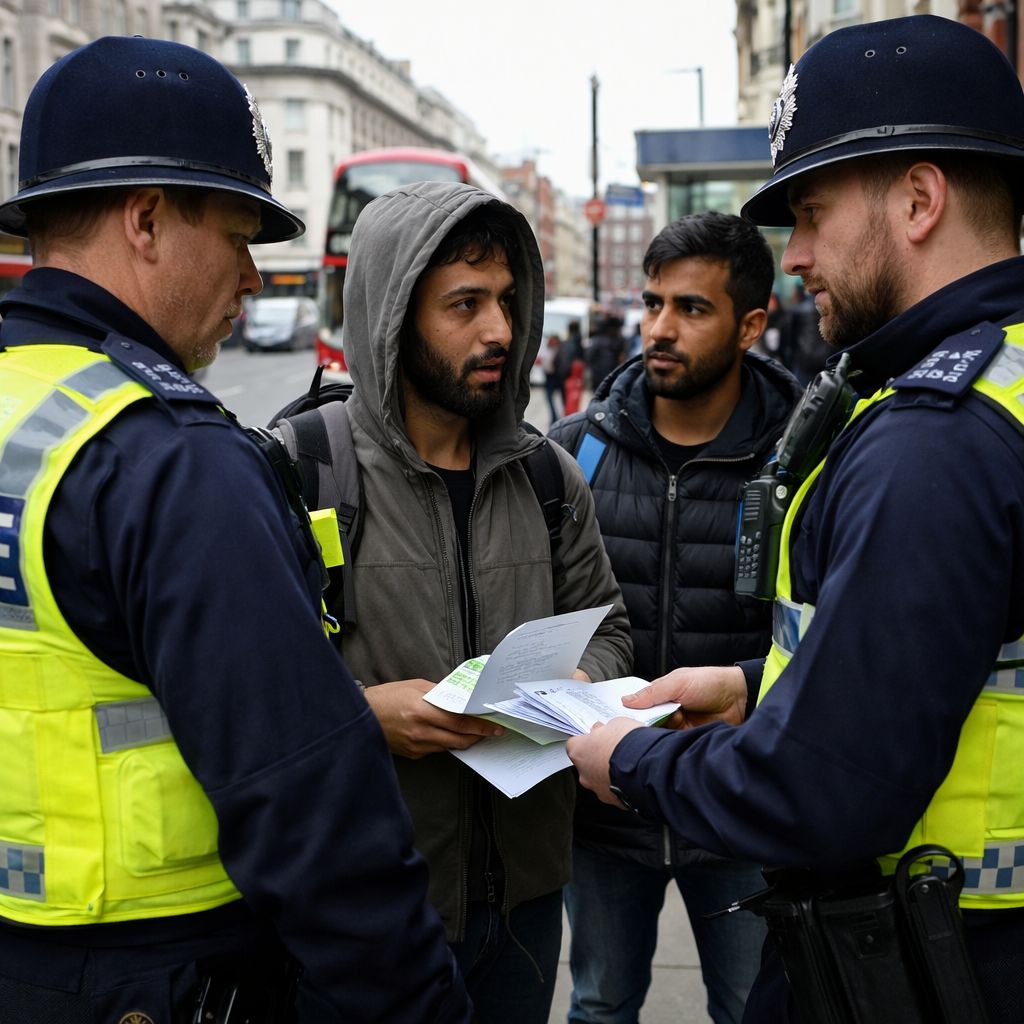
Many people — especially asylum seekers or individuals without secure immigration status — worry about being stopped by police and asked about their legal status in the United Kingdom. Understanding who can legally ask, when questions are lawful, and what your rights are can help you respond calmly and protect yourself.
This guide explains UK law in simple terms and outlines how to act safely and correctly if questioned.
Who Has the Legal Authority to Ask About Your Immigration Status?
The primary authority legally permitted to question individuals about immigration status is Home Office immigration officers, operating under the Immigration Act 1971. They can:
• Request proof of lawful status
• Verify identity documents
• Conduct immigration checks
• Take enforcement action where necessary
These checks most commonly occur at:
• Airports and ports of entry
• Workplace inspections
• Official immigration visits
• Border control locations
UK police officers are not immigration officers, but they may ask questions about identity or immigration status in specific circumstances during an investigation under the Police and Criminal Evidence Act 1984 (PACE). Police may then verify information with the Home Office.
When Is It Legal for Police to Ask About Immigration Status?
A question about immigration status is generally lawful when there is:
• A formal criminal investigation
• Reasonable suspicion of an offence
• Border or immigration enforcement activity
• Direct application of immigration law
Stopping someone solely because of their appearance, language, ethnicity, or nationality may constitute unlawful discrimination under UK law.
Do You Have to Answer Immigration Questions?
If you are not detained or arrested, you are usually not required to answer questions about your immigration status.
You may calmly ask:
“Am I being detained, or am I free to leave?”
If you are told you are free to go, you may leave politely.
If you are formally detained or arrested, officers may require basic identification details such as your name and address. Immigration officers may take further steps to confirm identity if cooperation is refused.
Is Remaining Silent a Crime?
Is Remaining Silent a Crime?
No. Remaining silent is not a criminal offence under UK law.
However, refusing to answer questions may lead officers to conduct additional checks to confirm your identity or legal status.
Silence alone does not make someone guilty or suspected of a crime.
What Should You Do If Police Stop You?
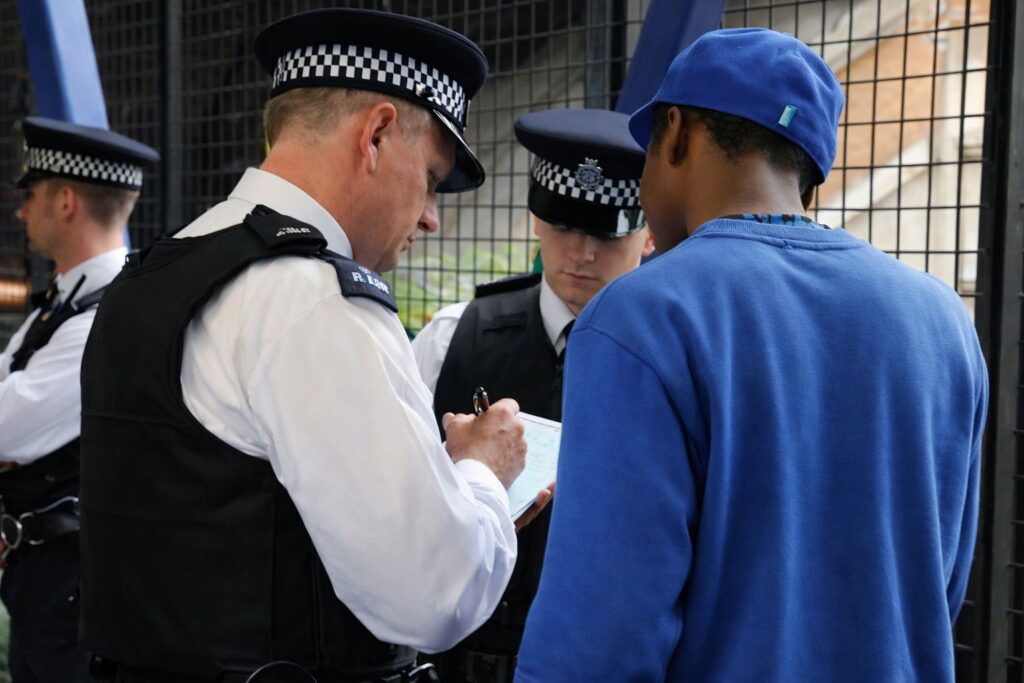
The best approach is to remain calm, polite, and cooperative without providing unnecessary information.
Recommended steps:
• Stay calm and respectful
• Ask whether you are free to leave
• Request the reason if detained
• Ask to speak with a lawyer before answering immigration questions
• Never provide false information
Providing incorrect information can lead to serious legal consequences.
Rights of Asylum Seekers or Individuals Without Secure Immigration Status
Regardless of immigration status, everyone in the UK has fundamental legal rights, including:
• Protection from discrimination
• The right to know why you are detained
• Access to an interpreter if needed
• The right to remain silent
• Free legal advice after arrest
• Access to medical care when necessary
• The right not to sign documents you do not understand
If arrested, you may request a solicitor immediately. This right is protected by law.
Common Mistakes That May Lead to Detention
Common Mistakes That May Lead to Detention
Certain behaviours can escalate a situation even when no offence has been committed:
• Running away or attempting to flee
• Providing false information
• Acting aggressively or resisting officers
• Completely refusing cooperation with immigration officers
• Signing documents without understanding them
• Failing to carry identification when available
Remaining calm and rational significantly reduces risk.
Key Takeaway
Immigration officers — and sometimes police in specific legal circumstances — may ask about your immigration status in the UK. You may refuse to answer if you are not detained, and remaining silent is not a crime. The most important protection is knowing your rights and requesting legal advice when needed.
When Should You Seek Legal Advice?
If you are unsure about your immigration status or face any immigration-related legal action, seeking professional legal advice is strongly recommended to protect your rights and understand your options.
Disclaimer: This article provides general information only and does not constitute legal advice. Laws and procedures may change, and individual circumstances vary. Always seek professional legal advice where necessary.